

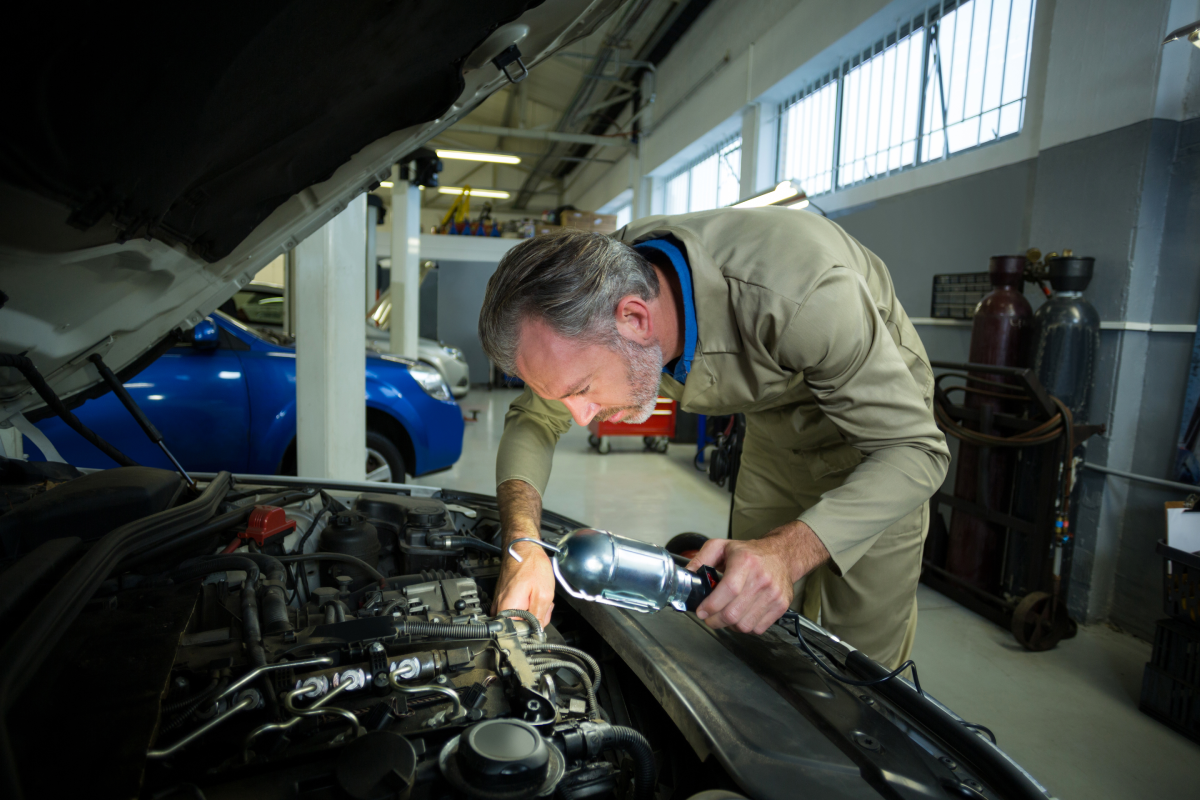
Have you ever rebuilt an engine only to still face overheating, poor compression, or oil leaks? Many enthusiasts assume new parts solve everything, but the real secret often lies in surface precision. That’s where Engine Surfacing Pennsylvania becomes essential.
In this guide, we’ll break down how engine surfacing improves performance, why Head Surfacing Walston is critical for sealing, and how Decking Walston supports full engine reliability. Whether you’re a hobbyist or a performance builder, understanding these processes can completely change how your engine performs and lasts.
What Is Engine Surfacing and Why It Matters
Engine Surfacing Pennsylvania refers to precision machining processes used to create perfectly flat mating surfaces on engine components. These include the engine block and cylinder head.
The goal is simple: ensure airtight sealing between critical engine parts. Even the smallest imperfection can cause compression loss or coolant leaks.
Think of it like stacking two pieces of glass. If they are not perfectly flat, light and air escape through the gaps. The same happens inside an engine under pressure.
A professional machinist once said, “An engine is only as strong as its sealing surfaces.”
Engine surfacing corrects warping caused by heat, age, and wear. It restores factory-level precision or even improves it for performance applications.
Without proper surfacing, even brand-new gaskets and components cannot perform correctly. That is why this process is a foundation of every reliable engine rebuild.
How Engine Surfacing Pennsylvania Improves Performance
The biggest benefit of Engine Surfacing Pennsylvania is improved engine efficiency and compression.
When surfaces are perfectly flat, combustion gases stay inside the cylinders where they belong. This leads to stronger power output and better fuel efficiency.
For example, a rebuilt engine that struggled with power loss was later inspected. The issue was uneven surface contact between the block and head. After surfacing, performance improved immediately.
Other benefits include:
- Better combustion efficiency
- Reduced risk of gasket failure
- Improved engine cooling
- Longer engine lifespan
A technician explained it clearly: “When sealing is perfect, everything else works better.”
Even small surface variations can create big problems over time. That is why precision machining is so important for both daily drivers and performance engines.
The Role of Head Surfacing Walston in Engine Reliability
Head Surfacing Walston is a critical part of engine surfacing. It ensures the cylinder head surface is perfectly flat before installation.
Cylinder heads often warp due to heat cycles and pressure over time. This can lead to coolant leaks, compression loss, and overheating.
By resurfacing the head, technicians restore proper sealing conditions.
For example, a vehicle with repeated head gasket failures was found to have a slightly warped cylinder head. After proper surfacing, the issue was completely resolved.
A machinist once said, “Most gasket problems start long before the gasket is installed.”
Benefits of head surfacing include:
- Restored sealing surface
- Improved compression balance
- Reduced engine overheating
- Stronger gasket performance
When combined with Engine Surfacing Pennsylvania, head surfacing ensures both the block and head work together in perfect alignment.
This creates a stable foundation for long-term engine reliability.
Why Decking Walston Is Essential for Engine Blocks
Decking Walston focuses on the engine block surface, ensuring it is completely flat and properly aligned with the cylinder head.
This process is just as important as head surfacing because both surfaces must work together to create a perfect seal.
If the block surface is uneven, even a perfectly surfaced head will not seal properly.
For example, a performance engine build suffered from coolant leaks despite new parts. The issue was traced back to an uneven block surface that required decking.
After applying Decking Walston, the engine sealed correctly and performance stabilized.
A technician explained, “You can’t fix sealing issues on one side only. Both surfaces must be perfect.”
Benefits of decking include:
- Improved head gasket sealing
- Better compression retention
- Increased engine reliability
- Reduced risk of overheating
Decking is especially important in high-performance builds where pressure levels are much higher than standard engines.
Common Engine Problems Caused by Poor Surfacing
When Engine Surfacing Pennsylvania is not done properly, several engine problems can appear.
One of the most common issues is head gasket failure. If surfaces are uneven, the gasket cannot create a proper seal.
Another issue is overheating. Coolant may leak internally or externally due to poor sealing.
For example, a driver experienced repeated overheating even after replacing multiple components. The real issue was a warped head and uneven block surface.
Other common problems include:
- Loss of engine compression
- Oil and coolant mixing
- Rough idle and misfires
- Reduced horsepower
A professional technician once said, “Most engine failures don’t come from broken parts—they come from bad surfaces.”
Proper surfacing eliminates these risks before assembly, saving both time and money.
Real-World Case: Restoring a Performance Engine
A local shop in Pennsylvania recently worked on a performance engine that had persistent compression issues.
Despite new pistons and gaskets, the engine still underperformed.
After inspection, technicians performed Head Surfacing Walston and Decking Walston as part of full Engine Surfacing Pennsylvania services.
The result was a perfectly sealed engine with improved compression and smoother operation.
The owner later said, “It feels like I gained horsepower without changing parts.”
This case shows how surface precision can completely transform engine behavior without major component replacement.
How Professionals Perform Engine Surfacing
Professional machining for Engine Surfacing Pennsylvania follows a precise process.
First, the engine components are cleaned and inspected for cracks or damage.
Next, measurements are taken using precision tools to determine how much material needs to be removed.
Then, machining equipment is used to carefully resurface the block or head.
For example, technicians may measure multiple points across a surface to ensure accuracy before cutting begins.
A seasoned machinist once said, “You don’t guess in machining—you measure everything twice.”
After surfacing, final checks ensure both flatness and smooth finish quality.
This careful process ensures long-term engine reliability and performance consistency.
Tips for Enthusiasts Working with Engine Surfacing
If you are rebuilding or upgrading an engine, understanding surfacing is key.
Always inspect both the block and head for warping before assembly.
Never reuse a warped or damaged surface without machining it.
Combine Head Surfacing Walston and Decking Walston for best results in any rebuild.
For example, skipping block inspection is one of the most common mistakes made by DIY builders.
A technician advised, “Always start with the foundation. Everything depends on it.”
Also, use quality gaskets designed for your engine type to ensure proper sealing after surfacing.
Final Thoughts
Precision is everything in engine building. Engine Surfacing Pennsylvania ensures that critical surfaces are flat, stable, and ready for high-performance sealing.
When paired with Head Surfacing Walston, cylinder heads are restored to factory-level precision. With Decking Walston, engine blocks achieve the same level of accuracy.
Together, these processes eliminate leaks, improve compression, and extend engine life.